Understanding the Difference
Sunglasses are more than just a fashion accessory; they're a practical tool to protect your eyes from harmful UV rays and reduce glare. But not all sunglasses are created equal. One key difference lies in their lenses: polarized and non-polarized.
-
Non-Polarized Sunglasses: These sunglasses offer basic UV protection, blocking harmful rays from the sun. They're great for everyday use and can reduce eye strain from bright light.
-
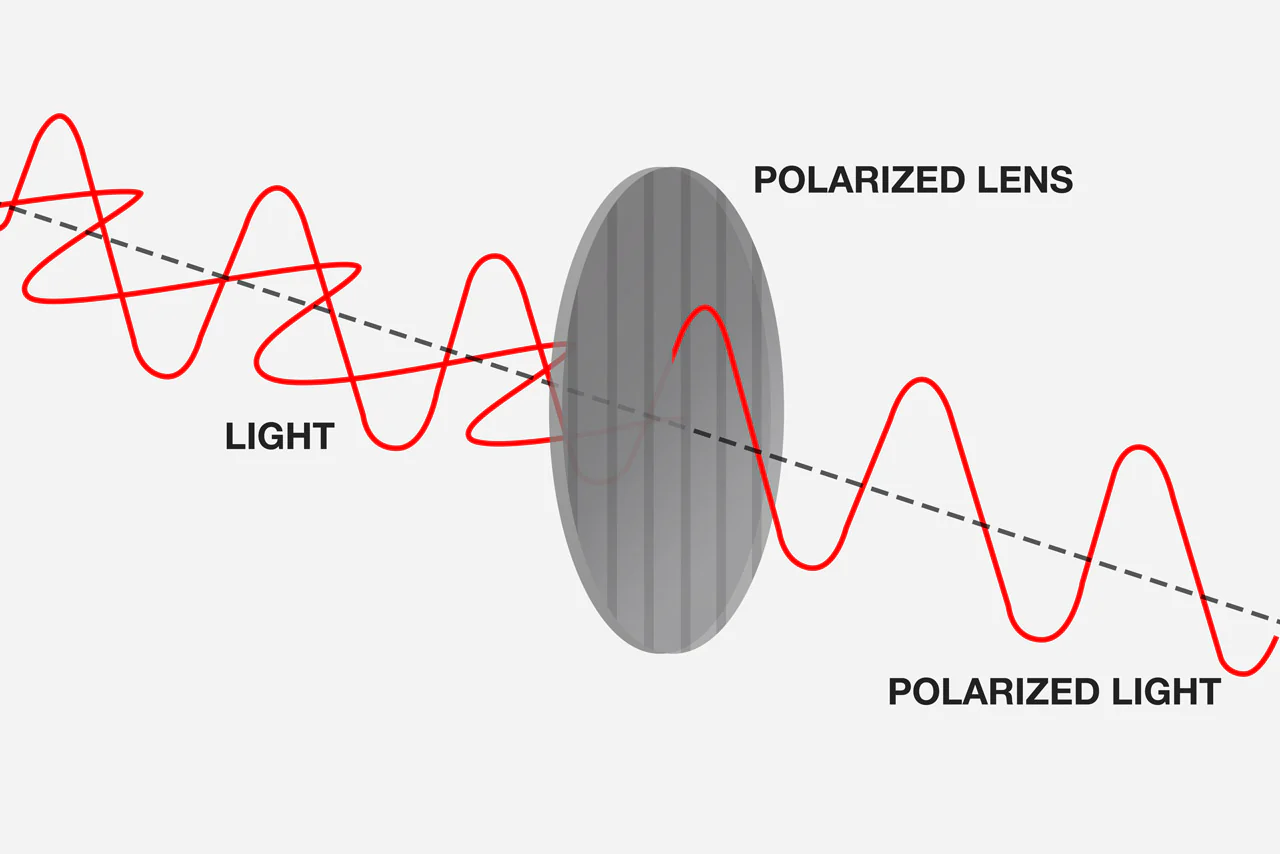
Polarized Sunglasses: These sunglasses go a step further by reducing glare from reflective surfaces like water, snow, and roads. They work by blocking specific light waves that cause glare, making them ideal for outdoor activities and driving.
Why Choose Polarized Sunglasses?
- Enhanced Vision: Polarized lenses reduce glare, improving visual clarity and reducing eye strain.
- Reduced Eye Fatigue: By filtering out harmful light, polarized sunglasses can help prevent headaches and eye fatigue.
- Improved Color Perception: Polarized lenses can make colors appear more vibrant and true-to-life.
- Better Depth Perception: Reduced glare can enhance depth perception, especially important for activities like fishing and boating.
When to Wear Polarized Sunglasses
- Driving: Polarized sunglasses can significantly reduce glare from the road, making driving safer and more comfortable.
- Outdoor Activities: Whether you're fishing, hiking, or playing sports, polarized sunglasses can enhance your experience by reducing glare and improving visibility.
- Water Sports: Glare from water can be intense, and polarized sunglasses can help you see underwater objects more clearly.
- Snow Sports: The reflective nature of snow can cause severe glare, and polarized sunglasses can help protect your eyes and improve visibility.
Choosing the Right Pair
When choosing polarized sunglasses, consider the following factors:
- UV Protection: Ensure the sunglasses offer 100% UV protection to shield your eyes from harmful rays.
- Lens Material: Polycarbonate and glass are popular choices for their durability and clarity.
- Frame Style: Choose a frame that fits your face shape and personal style.
- Lens Color: Different lens colors can affect light transmission and contrast.
By understanding the differences between polarized and non-polarized sunglasses, you can make an informed decision and select the best pair to protect your eyes and enhance your vision.